
Introduction to Greek Easter Bread (Tsoureki)
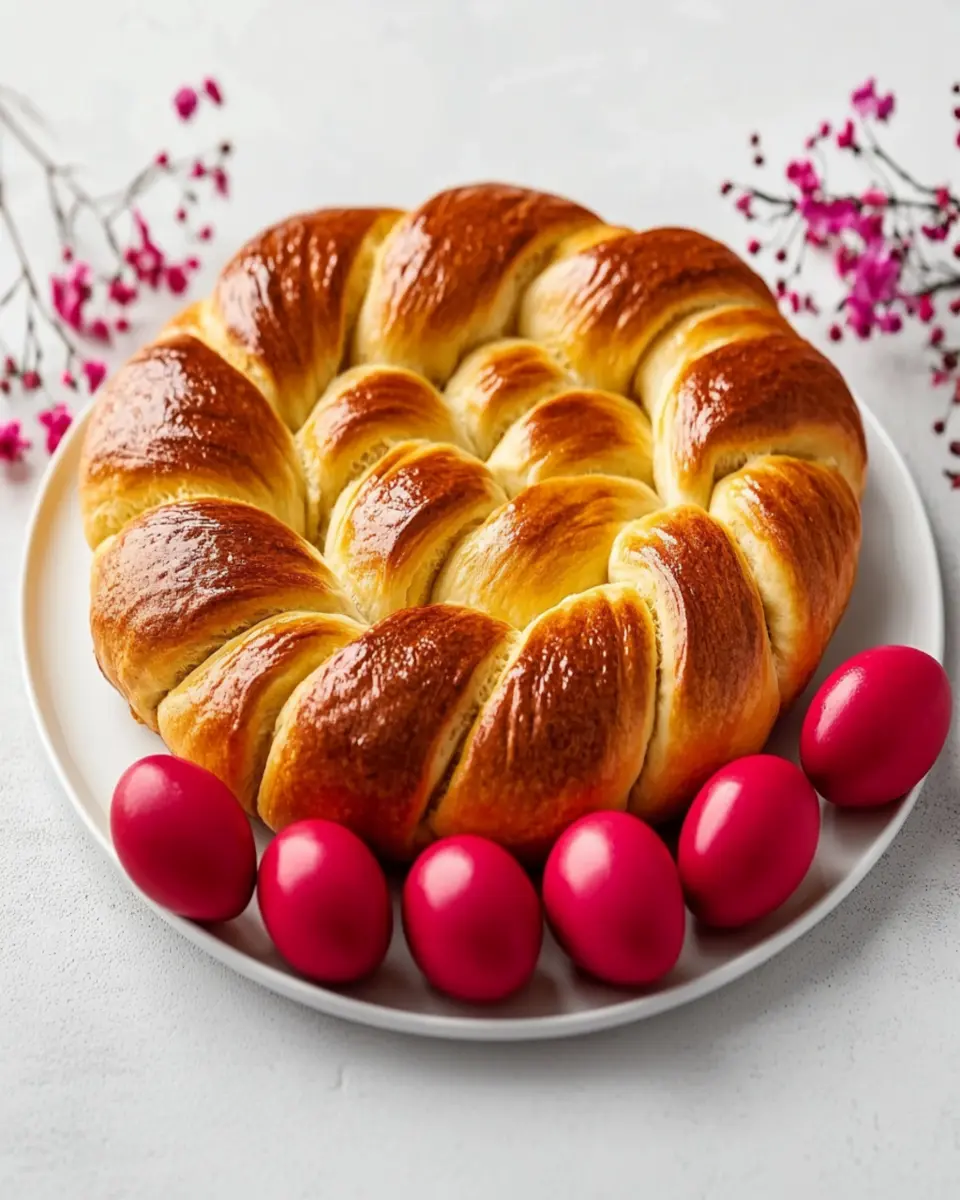
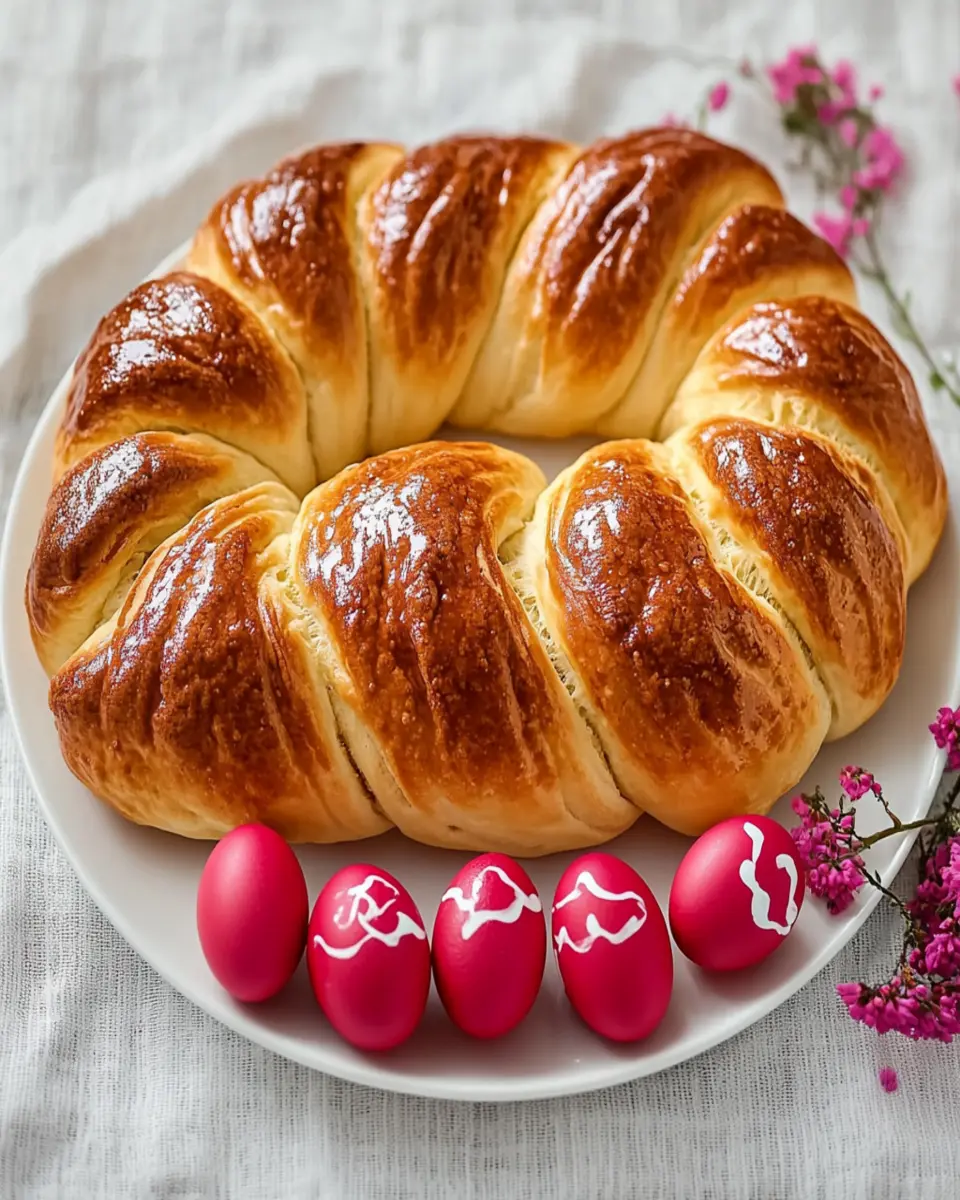
Tsoureki, a beloved traditional Greek sweet bread, is an essential part of Easter celebrations. This rich, fragrant bread is characterized by its fascinating braided shape and its unique flavor profile, derived from the inclusion of masticha and mahleb. As young professionals navigate the hustle and bustle of modern life, Tsoureki offers a delightful opportunity to connect with cultural roots through homemade cooking.

A Taste of Tradition
Every Easter, families across Greece come together to bake this special bread, symbolizing new beginnings and the joy of the season. The process of making Tsoureki can be both a meditative experience and a cherished memory shared with loved ones. With its soft, fluffy texture and subtly sweet flavor, this bread is perfect for breakfast, dessert, or as a festive treat during the holiday gatherings.
The Importance of Ingredients
What makes Tsoureki truly special are its key ingredients. The use of warm milk and active dry yeast creates a moist base, while the sugar and unsalted butter provide richness and sweetness. The unique flavors of masticha and mahleb, both aromatic and slightly floral, elevate the bread to a new level of culinary artistry. Each ingredient plays a crucial role in crafting the perfect Tsoureki, ensuring that every bite celebrates the essence of Greek heritage.
This Easter, why not try your hand at making Tsoureki? Not only will you savor a delicious treat, but you’ll also embrace a beautiful tradition that has been passed down through generations. Baking this bread is a wonderful way to slow down, appreciate the moment, and share something special with friends and family.
Key Ingredients Explained
Tsoureki’s delightful taste comes from a carefully selected list of ingredients that each contribute to its unique flavor and texture. Understanding these components can enhance your baking experience and ensure that your bread turns out perfectly every time.
Warm Milk and Active Dry Yeast
Warm Milk (1 cup): This ingredient activates the yeast, creating a light and airy texture in the bread. It provides the moisture needed for the dough to rise effectively.
Active Dry Yeast (2 tablespoons): Essential for fermentation, yeast helps the dough to rise and develop a soft texture. Its lively action transforms the ingredients into a fluffy bread.
Sweetness and Richness
Sugar (1 cup): This ingredient not only sweetens the bread but also contributes to its golden-brown crust. Sugar helps to create a tender crumb and enhances the overall flavor profile.
Unsalted Butter (1 cup, melted): Butter adds richness and moisture, resulting in a tender, flavorful bread. It also helps achieve that lovely golden color during baking.
Flavorful Enhancements
Eggs (3): Eggs provide structure and stability to the dough while adding moisture. They contribute to the bread’s rich flavor and beautiful color.
Vanilla Extract (1 teaspoon): This ingredient enhances the sweetness and adds a warm, comforting flavor to the Tsoureki.
Masticha (1 teaspoon, ground): A unique resin from the mastic tree, masticha imparts a distinctive aromatic flavor, giving the bread its traditional character.
Mahleb (1 teaspoon, ground): Made from the seeds of a cherry, mahleb offers a subtle hint of sweetness and a slightly nutty flavor, enhancing the overall taste of the bread.
Essential Ingredients for Structure
Salt (1 teaspoon): Salt is essential for flavor and helps to strengthen the dough, balancing the sweetness and enhancing the overall taste.
All-Purpose Flour (5 cups): The backbone of the bread, flour provides structure and bulk. The right amount ensures the dough is neither too sticky nor too dry, leading to the perfect texture.
Finishing Touch
Egg (for egg wash): An egg wash adds a beautiful shine to the crust, making the Tsoureki visually appealing and appetizing.
Each ingredient in Tsoureki plays a vital role in creating a well-balanced and delicious bread that is perfect for any Easter celebration.

Why You’ll Love This Recipe
Tsoureki, or Greek Easter Bread, is a delightful blend of tradition and flavor that makes it a standout addition to any festive table. This recipe is perfect for young professionals and busy homemade-food lovers who crave an authentic yet manageable baking experience.
A Unique Flavor Profile
What sets Tsoureki apart is its aromatic ingredients, particularly masticha and mahleb. These unique flavors not only elevate the bread but also evoke the rich cultural heritage of Greece. The subtle sweetness and fragrant notes make it a perfect companion for breakfast or as a sweet treat throughout the day.
Perfect for Sharing
Baking Tsoureki is more than just a culinary endeavor; it’s an opportunity to create lasting memories with friends and family. The act of braiding the dough can be a fun, interactive activity, allowing everyone to participate in the process. Sharing this delicious bread during Easter celebrations or family gatherings adds a special touch that everyone will appreciate.
Easy to Make
You might think that creating a traditional Greek Easter bread is a complex task, but this recipe simplifies the process without compromising flavor. With straightforward instructions and readily available ingredients, even novice bakers can achieve a beautiful, golden-brown loaf that impresses.
In summary, the combination of unique flavors, the joy of sharing, and the ease of preparation makes this Tsoureki recipe a wonderful choice for your next baking adventure. Don’t miss out on the chance to bring a piece of Greek tradition into your home!
Variations on Greek Easter Bread (Tsoureki)
Tsoureki is a versatile bread that can be adapted in numerous ways to suit different tastes and occasions. Whether you prefer a classic version or want to experiment with new flavors, there’s a variation to delight everyone.
Flavored Twists
One popular variation is to incorporate different flavorings into the dough. For instance, you can add orange or lemon zest for a refreshing citrus note, or even a hint of cinnamon for a warm spice. Each addition enhances the traditional recipe while maintaining its essence, making it perfect for those who enjoy a unique twist on classic flavors.
Nutty Additions
Adding nuts is another great way to elevate your Tsoureki. Chopped almonds or walnuts can be mixed into the dough or sprinkled on top before baking for that extra crunch. This not only adds texture but also introduces a delightful nutty flavor that complements the sweetness of the bread.
Chocolate Lovers’ Delight
For those with a sweet tooth, consider incorporating chocolate chips or chunks into the dough. This variation transforms the bread into a decadent treat that can be enjoyed at any time of day. The melty chocolate combined with the sweet, fluffy bread creates an irresistible combination.
No matter how you choose to customize your Greek Easter Bread, these variations ensure that every batch can be uniquely yours while still honoring the tradition of Tsoureki.
Cooking Tips and Notes
Making Greek Easter Bread (Tsoureki) can be a joyful and fulfilling experience, especially when you have a few handy tips to ensure success. This bread is not only delicious but also a wonderful way to engage with your culinary skills.
Perfecting Your Dough
When working with yeast, make sure your warm milk is at the right temperature—about 110°F (43°C) is ideal. Too hot, and you risk killing the yeast; too cold, and it won’t activate properly. After mixing your dough, knead it until it’s smooth and elastic, which usually takes about 10 minutes. This step is crucial as it develops the gluten structure, giving Tsoureki its signature light and airy texture.
Rising Times
Allowing the dough to rise adequately is key to achieving that fluffy bread. After the initial rise, don’t rush the second rise after braiding; letting it rest for 30 minutes ensures it expands properly in the oven. If you’re short on time, you can create a warm environment by placing the dough in an oven that’s turned off but has the light on, which helps speed up the rising process.
Baking Tips
For a beautifully golden crust, brush the bread with an egg wash before baking. This not only gives it a lovely sheen but also enhances the flavor. Keep an eye on the baking time, as ovens can vary; you want it perfectly golden brown, so check a few minutes early to prevent over-baking.
By following these tips, you’ll not only improve your skills but also create a delightful Greek Easter Bread that can be enjoyed with friends and family. Happy baking!
Serving Suggestions
Tsoureki, or Greek Easter Bread, is not just a treat on its own; it pairs beautifully with a variety of accompaniments that enhance its delightful flavors. Here are some serving suggestions that will make your Tsoureki experience even more enjoyable.
With Spreads
One of the simplest and most delicious ways to enjoy Tsoureki is to spread a layer of butter on a warm slice. This adds richness and enhances the already sweet flavor of the bread. Alternatively, try pairing it with homemade jams or honey for a sweet and satisfying breakfast or snack.
As Part of a Festive Meal
Tsoureki can also be served as part of a larger Easter feast. It complements savory dishes wonderfully, making it a great addition to your holiday table. Consider serving it alongside roasted lamb or a fresh Greek salad for a balanced meal that captures the spirit of Greek cuisine.
Enjoying with Coffee or Tea
For a delightful afternoon treat, serve slices of Tsoureki with a cup of coffee or tea. The bread’s sweetness pairs perfectly with the slightly bitter notes of coffee, creating a harmonious balance that is sure to please your palate. Whether you’re hosting friends or indulging in a quiet moment, this combination is sure to impress.
These serving suggestions will help you enjoy your Greek Easter Bread in various delightful ways, making it a versatile addition to your culinary repertoire.
Time Breakdown for Making Tsoureki
Making Greek Easter Bread (Tsoureki) is a rewarding process that can be efficiently managed with a clear time breakdown. Here’s a quick overview of the time involved in crafting this delicious bread.
Preparation
Preparation for Tsoureki takes about 20 minutes. This includes gathering your ingredients, mixing the dough, and kneading it until smooth.
Cooking/Baking
The cooking and baking time is approximately 35 minutes. This is when the bread rises, gets braided, and is baked to golden perfection in the oven.
Total
In total, you’re looking at about 1 hour and 55 minutes from start to finish, including rising time. For efficiency, consider preparing the dough in the morning to bake it fresh for an afternoon gathering.
Nutritional Facts per Slice
Each slice of Greek Easter Bread (Tsoureki) is not only delicious but also provides a balanced nutritional profile. With approximately 250 calories per slice, it serves as a satisfying treat without compromising on flavor.
Key Nutritional Information
- Calories: 250
- Sugar: 10g
- Sodium: 180mg
- Fat: 10g (Saturated Fat: 6g, Unsaturated Fat: 4g)
- Carbohydrates: 35g (Fiber: 1g)
- Protein: 5g
- Cholesterol: 60mg
This bread is a delightful option for those looking to enjoy a sweet treat while being mindful of their dietary intake. The combination of ingredients contributes to a wholesome slice that can be enjoyed any time of the day.
FAQ based on “People Also Ask”
What is Tsoureki?
Tsoureki is a traditional Greek sweet bread typically made during Easter celebrations. Known for its braided shape and delightful flavors from ingredients like masticha and mahleb, it is a centerpiece of festive gatherings.
How do you store Tsoureki?
To keep Tsoureki fresh, store it in an airtight container at room temperature. It can also be wrapped tightly in plastic wrap and frozen for longer storage, ensuring that you can enjoy it even after the holiday season.
Can I make Tsoureki ahead of time?
Yes, you can prepare Tsoureki a day in advance. After it has baked and cooled, simply store it in an airtight container. Reheat slightly in the oven before serving for the best texture and flavor.
What can I serve with Tsoureki?
Tsoureki pairs beautifully with various spreads such as butter, honey, or jam. It can also be enjoyed alongside coffee or tea, making it a versatile addition to your breakfast or dessert table.
Conclusion
In conclusion, Greek Easter Bread, or Tsoureki, is more than just a delicious treat; it embodies the spirit of celebration and tradition. With its unique flavors from masticha and mahleb and its beautifully braided shape, this bread is a centerpiece for Easter festivities. Making Tsoureki is a fulfilling experience that brings family and friends together, creating lasting memories around the table.
As you try your hand at this recipe, remember that baking Tsoureki is an opportunity to connect with Greek heritage while enjoying a delightful culinary adventure. Don’t hesitate to share this recipe with loved ones, and let them experience the joy of homemade Tsoureki. Whether served at Easter or enjoyed any time of the year, this bread is sure to become a beloved favorite in your household.
Print
Greek Easter Bread (Tsoureki)
- Total Time: 1 hour 55 minutes
- Yield: 1 large bread 1x
- Diet: Vegetarian
Description
A traditional Greek sweet bread, Tsoureki is made during Easter celebrations and is known for its braided shape and distinctive flavor from the use of masticha and mahleb.
Ingredients
- 1 cup warm milk
- 2 tablespoons active dry yeast
- 1 cup sugar
- 1 cup unsalted butter, melted
- 3 eggs
- 1 teaspoon vanilla extract
- 1 teaspoon masticha, ground
- 1 teaspoon mahleb, ground
- 1 teaspoon salt
- 5 cups all-purpose flour
- 1 egg (for egg wash)
Instructions
- In a bowl, combine warm milk and yeast. Let it sit for about 10 minutes.
- In another bowl, whisk together sugar, melted butter, eggs, vanilla, masticha, mahleb, and salt.
- Add the yeast mixture to the butter mixture and mix well.
- Gradually add flour, one cup at a time, until a soft dough forms.
- Knead the dough on a floured surface for about 10 minutes until smooth.
- Place the dough in a greased bowl, cover, and let it rise in a warm place until doubled in size, about 1 hour.
- Punch down the dough and divide it into three equal pieces. Roll each piece into a long strand.
- Braid the strands together and shape into a circle, tucking the ends underneath.
- Place the braided dough on a baking sheet and cover. Let rise for another 30 minutes.
- Preheat the oven to 350°F (175°C). Brush the dough with the egg wash.
- Bake for 30-35 minutes until golden brown. Allow to cool on a wire rack.
Notes
- Use a bread machine for mixing and kneading if desired.
- For added flavor, sprinkle sesame seeds on top before baking.
- Store in an airtight container for freshness.
- Prep Time: 20 minutes
- Cook Time: 35 minutes
- Category: Bread
- Method: Baking
- Cuisine: Greek
Nutrition
- Serving Size: 1 slice
- Calories: 250
- Sugar: 10g
- Sodium: 180mg
- Fat: 10g
- Saturated Fat: 6g
- Unsaturated Fat: 4g
- Trans Fat: 0g
- Carbohydrates: 35g
- Fiber: 1g
- Protein: 5g
- Cholesterol: 60mg