
Introduction
Poaching an egg might seem daunting, but with just a few simple steps, anyone can master this classic cooking technique. Whether you’re a busy young professional looking for a quick breakfast or a homemade-food lover eager to impress, learning how to poach an egg is a valuable skill that enhances a variety of dishes. Imagine a perfectly poached egg atop a slice of avocado toast or nestled in a warm bowl of ramen; the smooth, runny yolk adds richness and flavor that elevates any meal.

In this guide, we will walk you through the essentials of poaching an egg, ensuring you achieve that ideal texture and taste every time. The process is straightforward: all you need is a fresh egg, some water, and optionally, a splash of vinegar to help the egg whites set faster. With a gentle simmer and a bit of patience, you can create a beautifully poached egg that will leave you feeling accomplished and satisfied.
So, are you ready to dive into the world of poaching eggs? Let’s get started and unlock the secrets to this delightful breakfast staple!
Key Ingredients
When it comes to poaching an egg, the key ingredients are simple yet crucial for achieving the perfect texture and flavor.
Fresh Egg (1): The star of the show! A fresh egg ensures that the whites stay together during cooking, resulting in a beautifully shaped poached egg.
Vinegar (1 teaspoon, optional): Adding vinegar to the water helps the egg whites coagulate more quickly, which can lead to a tidier poached egg. It’s optional, but many chefs swear by it for better results.
Water (enough to fill the pot): The medium for poaching, water needs to be at a gentle simmer. The right temperature is key to cooking the egg evenly without overcooking it.
Each of these ingredients plays a vital role in your poaching process, making it easier to create that delicate, runny yolk surrounded by tender egg whites. With just these few items, you can enjoy a delicious poached egg that adds sophistication to your breakfast or brunch!
Why You’ll Love This Recipe
Poaching an egg is not just a simple cooking technique; it’s a gateway to culinary creativity. Perfectly poached eggs are incredibly versatile, making them an ideal addition to breakfast dishes, salads, and even dinner entrees. Once you learn how to poach an egg, you’ll find yourself adding this delightful ingredient to your meals more often.
What’s not to love about a poached egg? Its creamy, runny yolk adds richness and a touch of elegance to any dish. Plus, it’s a healthy choice packed with protein and nutrients, making it perfect for those busy mornings. You can whip up a delicious breakfast in less than 10 minutes without sacrificing flavor or quality.
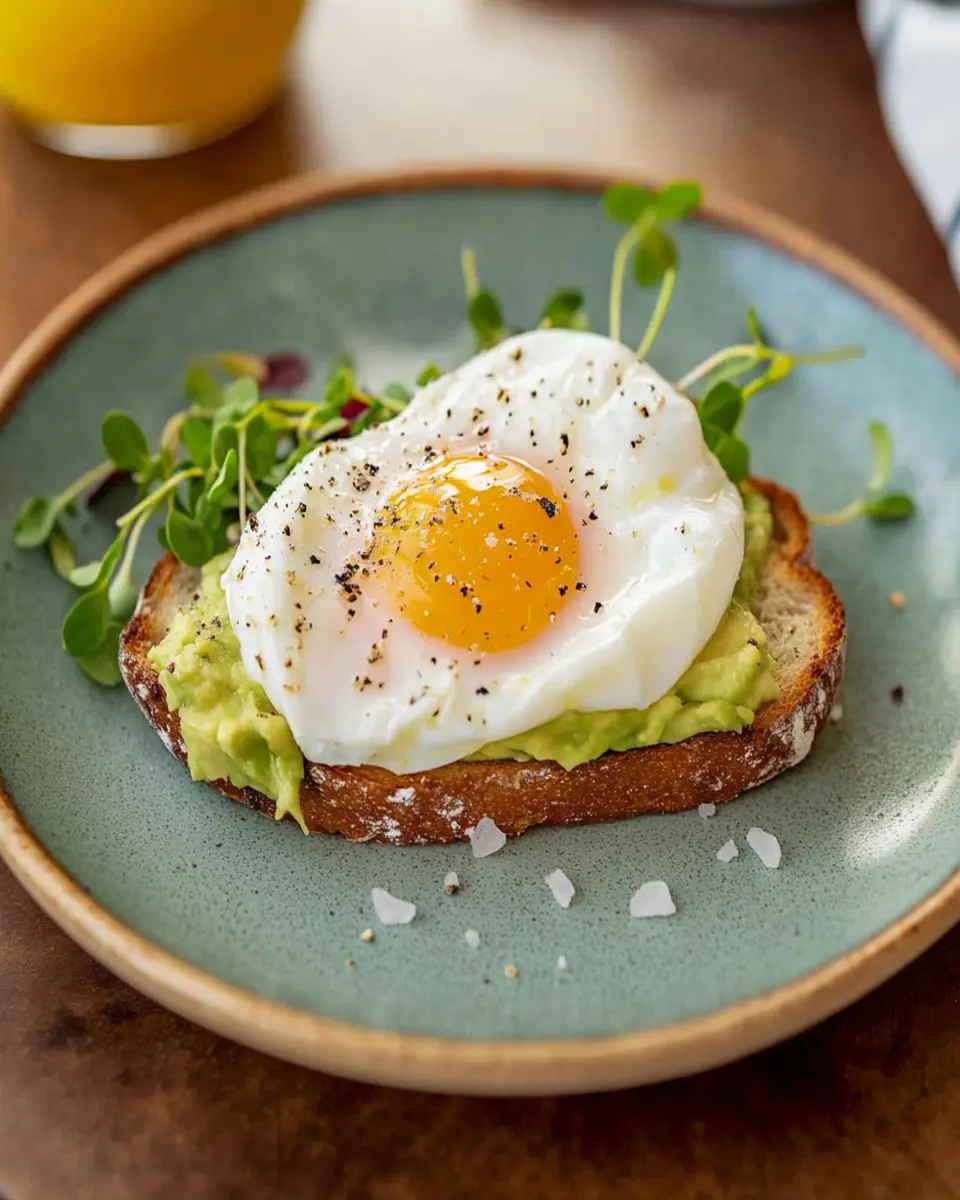
Another reason to embrace this recipe is its simplicity. With just a few ingredients and straightforward steps, you can impress your friends and family with your newfound skill. Imagine serving a beautifully poached egg atop a slice of avocado toast or a fresh salad; it’s sure to become a crowd-pleaser. So why not give it a try? Once you master how to poach an egg, you’ll be adding this skill to your list of cooking achievements!
Variations
Once you’ve mastered how to poach an egg, you’ll find that the possibilities for variations are endless! Whether you’re looking to spice up your breakfast routine or impress guests at brunch, there are many delicious ways to enjoy poached eggs.
Poached Egg on Toast
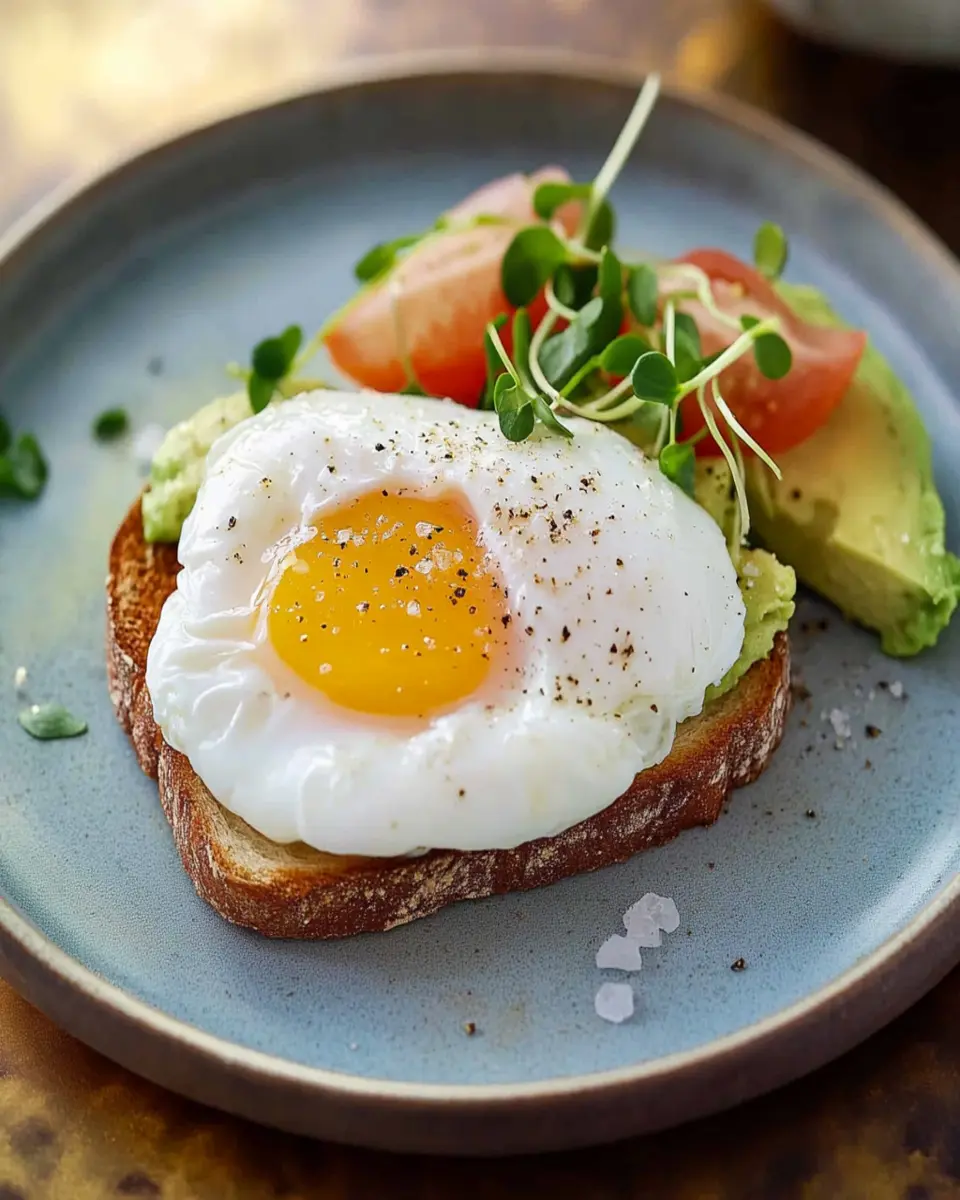
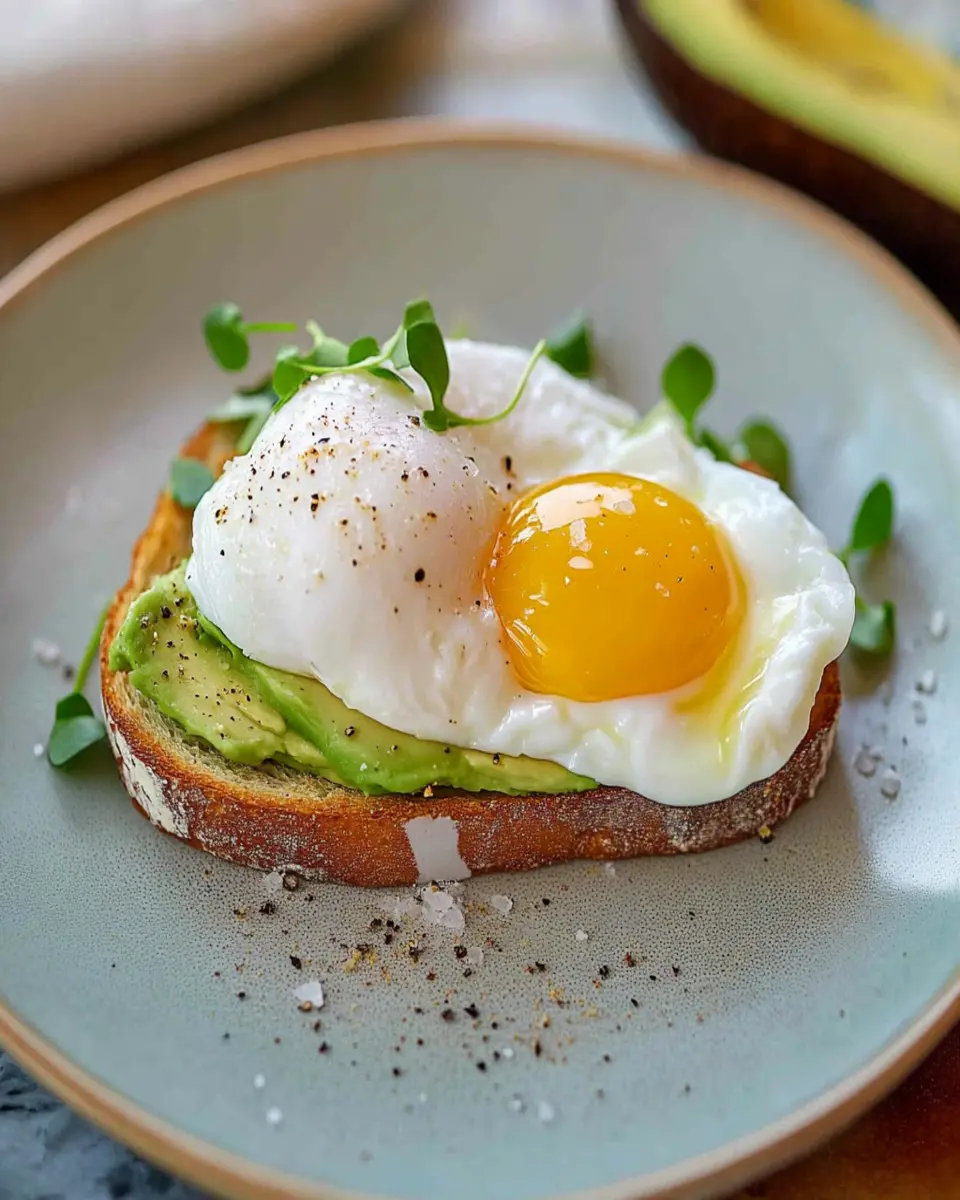
One of the most popular ways to serve a poached egg is atop a slice of toasted bread. You can elevate this classic dish by adding avocado, smoked salmon, or even a sprinkle of feta cheese. The creamy yolk complements the crunch of the toast beautifully, creating a satisfying texture contrast.
Poached Eggs with Hollandaise
For a more indulgent option, consider pairing your poached egg with a rich hollandaise sauce. This classic combination is the basis of Eggs Benedict, where poached eggs rest on English muffins and Canadian bacon, all smothered in velvety hollandaise. It’s a brunch favorite that transforms your simple poached egg into a gourmet delight!
Savory Bowls
Another fantastic way to enjoy poached eggs is in savory breakfast bowls. Combine your poached egg with sautéed greens, quinoa, and a drizzle of olive oil for a nutritious and filling meal. This is perfect for those busy mornings when you need something quick yet wholesome.
Experimenting with different toppings and pairings can make your poached eggs a versatile staple in your kitchen. The beauty of poached eggs lies in their ability to enhance various dishes, making them suitable for any meal of the day.
Cooking Tips and Notes
Freshness is Key
When it comes to poaching an egg, freshness is crucial. The fresher the egg, the better it will hold its shape while cooking. A fresh egg will have a firmer white and a yolk that sits high, which makes for a more visually appealing poached egg.
The Role of Vinegar
Adding vinegar to the poaching water can be beneficial, as it helps the egg whites coagulate more quickly. This is especially useful if you’re new to poaching, as it can help prevent the egg from spreading too much in the water. Just a teaspoon is all you need, and you won’t taste it in the final product.
Temperature Matters
Maintaining the right water temperature is essential. You want a gentle simmer, not a rolling boil, as boiling water can cause the egg to break apart. Creating a vortex by stirring the water before adding the egg helps it cook evenly and keeps the whites together, resulting in a beautifully poached egg.
Practice Makes Perfect
Don’t get discouraged if your first few attempts aren’t perfect. Poaching eggs takes practice! Each time you try, you’ll learn more about the timing and technique that works best for you. Remember, even if the shape isn’t perfect, it will still taste delicious, so enjoy the process!
Serving Suggestions
Poached eggs are incredibly versatile and can elevate many dishes. Here are some delicious serving suggestions to help you enjoy your perfectly poached egg!
Avocado Toast
One of the most popular ways to serve a poached egg is on a slice of creamy avocado toast. Simply mash ripe avocado onto toasted bread, season with salt and pepper, and top it off with your poached egg for a nutritious breakfast or snack that’s both satisfying and Instagram-worthy!
Salads
Add a poached egg to your favorite salad to create a hearty meal. The runny yolk acts as a dressing, enriching the greens and vegetables with its velvety texture. Try it on a bed of mixed greens with cherry tomatoes, feta cheese, and a light vinaigrette for a refreshing lunch.
Breakfast Bowls
For a wholesome breakfast bowl, combine your poached egg with grains such as quinoa or brown rice, topped with sautéed vegetables and a sprinkle of herbs. This combination offers a balanced meal packed with protein and fiber, perfect for starting your day off right.
Each of these serving suggestions not only highlights the deliciousness of poached eggs but also allows for creativity in your cooking. The next time you make a poached egg, consider these ideas to enhance your meal!
Time Breakdown
Poaching an egg is a quick and rewarding process. Here’s how to break down the time it takes to prepare this delicious dish:
Preparation
Prep Time: 5 minutes
Get everything ready by gathering your ingredients and filling the saucepan with water.
Cooking
Cook Time: 4 minutes
Cooking the egg in gently simmering water takes only a few minutes. Keep an eye on it to achieve the perfect runny yolk!
Total
Total Time: 9 minutes
In just under 10 minutes, you can enjoy a beautifully poached egg, perfect for any meal of the day.
Efficiency Tip: To save even more time, you can prep the ingredients while the water heats up!
Nutritional Facts
Understanding the nutritional benefits of poached eggs can enhance your appreciation for this simple dish. Each serving of a poached egg contains approximately 70 calories, making it a low-calorie protein source perfect for a healthy diet.
With 5 grams of total fat, including 2 grams of saturated fat, a poached egg provides essential fats necessary for various bodily functions. Additionally, it boasts 6 grams of protein, which is crucial for muscle repair and satiety.
Notably, a poached egg contains 186 mg of cholesterol, which is important for hormone production and cell membrane integrity. With just 60 mg of sodium, this dish can fit well into a balanced diet. The low carbohydrate count of 1 gram makes it suitable for various dietary preferences, including low-carb and ketogenic diets. Enjoying a poached egg not only adds flavor to meals but also contributes to a nutritious breakfast or snack!
FAQ based on “People Also Ask” section
How do you know when a poached egg is done?
A poached egg is typically done when the whites are set but the yolk remains soft and runny. You can gently touch the egg with a slotted spoon; if it feels firm on the outside but still soft and jiggly in the center, it’s ready to be removed from the water.
Can I poach multiple eggs at once?
While it is possible to poach multiple eggs, it’s best to do them one at a time to ensure they cook evenly and don’t stick together. Overcrowding the pot can lead to uneven cooking and messy results.
What can I do with leftover poached eggs?
Leftover poached eggs can be stored in water in the refrigerator for up to two days. To reheat, gently place them in simmering water for a minute or two until warmed through, and then enjoy them on toast or in a salad.
Can I use a microwave to poach an egg?
Yes, you can poach an egg in the microwave by cracking it into a microwave-safe bowl of water and covering it. Microwave on medium power for about 30-60 seconds, checking for doneness. This method is quick and convenient for busy mornings!
Conclusion
Poaching an egg is a simple yet rewarding skill that can elevate your breakfast game. With just a few ingredients and easy-to-follow steps, you can create a perfectly poached egg that adds richness and flavor to any dish. Whether it’s on toast, in salads, or as part of a hearty breakfast bowl, poached eggs are versatile enough to suit any meal.
By mastering how to poach an egg, you not only enhance your cooking repertoire but also enjoy a nutritious addition to your diet. So, why not give it a try? Cook, save, or share this recipe with friends and family, and enjoy the delightful experience of poached eggs together!
Print
How To Poach An Egg
- Total Time: 9 minutes
- Yield: 1 poached egg 1x
- Diet: Vegetarian
Description
Learn how to perfectly poach an egg with this simple guide!
Ingredients
- 1 fresh egg
- 1 teaspoon vinegar (optional)
- Water enough to fill the pot
Instructions
- Fill a saucepan with water and bring it to a gentle simmer.
- Add vinegar to the water if desired.
- Crack the egg into a small bowl.
- Stir the simmering water to create a vortex.
- Gently slide the egg into the center of the vortex.
- Cook for about 3-4 minutes for a runny yolk.
- Use a slotted spoon to remove the egg and drain on paper towel.
- Season with salt and pepper before serving.
Notes
- Use the freshest eggs possible for better results.
- Don’t overcrowd the pot; poach one egg at a time for optimal results.
- If the egg whites are spreading too much, use a fine mesh strainer to remove excess egg white before cooking.
- Prep Time: 5 minutes
- Cook Time: 4 minutes
- Category: Breakfast
- Method: Poaching
- Cuisine: American
Nutrition
- Serving Size: 1 egg
- Calories: 70
- Sugar: 0 grams
- Sodium: 60 mg
- Fat: 5 grams
- Saturated Fat: 2 grams
- Unsaturated Fat: 0.5 grams
- Trans Fat: 0 grams
- Carbohydrates: 1 gram
- Fiber: 0 grams
- Protein: 6 grams
- Cholesterol: 186 mg